
Achieving smoother, clearer, and more radiant skin often requires more than a daily cleanser and moisturizer. Over time, dead skin cells, environmental damage, acne, and sun exposure accumulate on the surface of the skin, dulling its appearance and slowing natural renewal. This is where a chemical peel treatment becomes one of the most effective and transformative options in modern aesthetics.
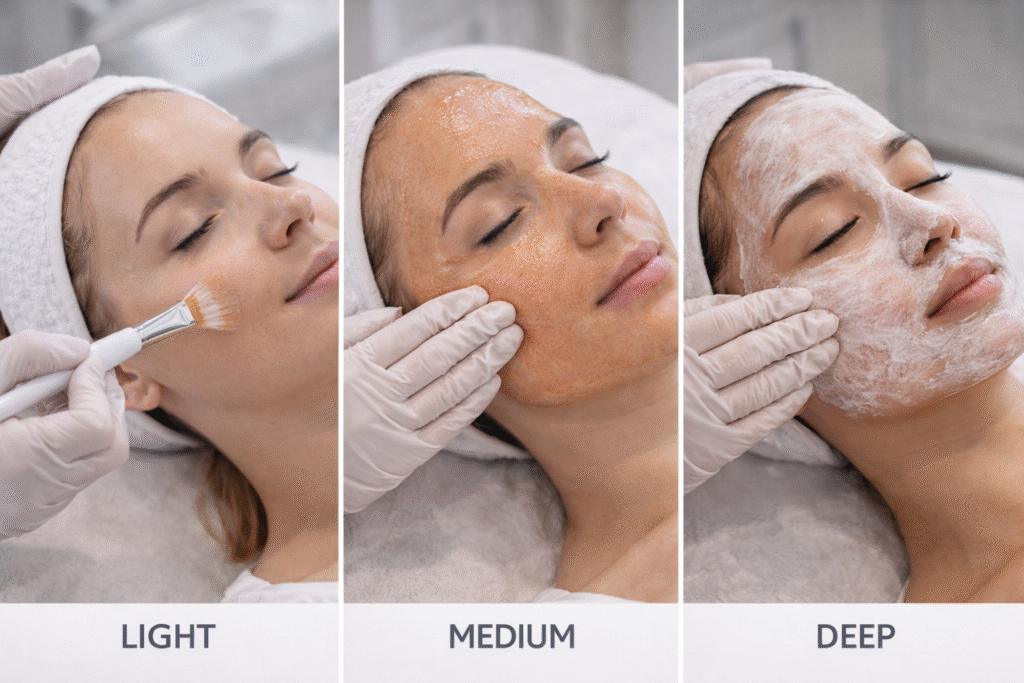
At BrightTrust Aesthetics & Laser, chemical peels are carefully customized to match individual skin types and concerns. Far from being a one-size-fits-all solution, today’s peels range from gentle refreshers to more corrective options designed to target specific issues such as acne, discoloration, and uneven texture. Understanding how chemical peels work—and how to choose the right one—helps you achieve visible, long-lasting results safely and confidently.
What Is a Chemical Peel?
A chemical peel is a professional procedure that uses carefully formulated solutions to exfoliate the skin in a controlled way. By dissolving the bonds that hold dead skin cells together, peels encourage cell turnover and reveal healthier, smoother skin underneath.
Unlike at-home exfoliants, professional peels work at deeper levels of the skin and are performed under expert supervision. This allows them to address concerns that topical products alone cannot correct, such as persistent acne, pigmentation issues, and early signs of aging.
Why Skin Type Matters When Choosing a Peel
One of the most important factors in determining the right peel is your skin type. Each skin behaves differently, and a peel that works beautifully for one person may be too strong or ineffective for another. That’s why professional evaluation is essential.
Skin type considerations include:
- Sensitivity levels
- Oil production
- Acne-prone tendencies
- Pigmentation patterns
- Signs of aging
- Overall skin resilience
A tailored approach ensures the peel enhances your skin without causing irritation or imbalance.
Understanding Light Chemical Peels
For those new to chemical exfoliation or looking for a gentle refresh, light chemical peels are often the ideal starting point. These peels focus on the outermost layer of the skin and are designed to improve brightness, smooth texture, and boost glow with minimal downtime.
They are especially beneficial for:
- Dull or tired-looking skin
- Mild discoloration
- Uneven texture
- Early signs of aging
- Maintenance between deeper treatments
Light peels are subtle yet effective, making them a popular choice for clients seeking noticeable improvement without recovery time.
The Benefits of Chemical Peels for Skin Health
One of the reasons chemical peels remain a cornerstone of aesthetic care is their versatility. When chosen correctly, the chemical peel benefits extend far beyond surface-level exfoliation.
These benefits include:
- Accelerated cell turnover
- Smoother skin texture
- Brighter, more even complexion
- Reduced appearance of fine lines
- Improved absorption of skincare products
- Healthier-looking skin overall
Over time, consistent peeling supports stronger, more resilient skin that responds better to other treatments and daily skincare routines.
Chemical Peels for Acne-Prone Skin
Acne is not just a teenage concern—many adults struggle with breakouts, congestion, and post-acne marks well into adulthood. A targeted acne peel treatment can significantly improve these issues by addressing clogged pores, excess oil, and inflammation.
Acne-focused peels work by:
- Clearing pore congestion
- Reducing excess oil production
- Calming active breakouts
- Minimizing the appearance of acne scars
- Improving overall skin clarity
By treating both active acne and its aftereffects, these peels help restore balance and prevent future breakouts when used as part of a comprehensive skincare plan.
Treating Discoloration With Chemical Peels
Hyperpigmentation—such as sun spots, melasma, or post-inflammatory marks—is one of the most common skin concerns. A properly selected hyperpigmentation chemical peel helps fade dark spots by targeting excess melanin and promoting even cell turnover.
These peels gradually lift pigmentation from the skin’s surface while encouraging the growth of healthier, evenly toned skin. Over a series of treatments, patients often notice a brighter, more balanced complexion with improved clarity and uniformity.
Chemical Peels as Advanced Exfoliation Treatments
At their core, chemical peels are among the most effective skin exfoliation treatments available. Unlike physical scrubs, which can be abrasive and inconsistent, chemical exfoliation works evenly across the skin without friction.
Professional exfoliation offers:
- Consistent results across the entire treatment area
- Reduced risk of micro-tears
- Deeper penetration for better correction
- Controlled intensity based on skin needs
This controlled exfoliation is what allows chemical peels to safely deliver dramatic improvements in texture and tone.
What to Expect During and After a Chemical Peel
A chemical peel session typically begins with a thorough skin cleansing and evaluation. The peel solution is then applied carefully and monitored throughout the process to ensure safety and comfort.
During treatment, you may experience:
- Mild tingling or warmth
- Temporary redness
- A tightening sensation
After the peel, the skin may flake or peel lightly over several days as old cells shed and new skin emerges. Downtime varies depending on the peel’s strength, but most clients resume normal activities quickly with proper aftercare.
How Often Should You Get a Chemical Peel?
The frequency of chemical peels depends on the type of peel and your skin goals. Light peels may be performed more frequently, while deeper peels require longer intervals for recovery.
A professional provider will recommend a schedule based on:
- Skin type and sensitivity
- Severity of concerns
- Desired results
- Lifestyle and sun exposure
Consistency and proper spacing are key to achieving optimal, long-term results.
Why Professional Guidance Is Essential
While chemical peels are highly effective, they must be performed correctly to avoid irritation or complications. Professional oversight ensures the peel is selected, applied, and monitored appropriately for your skin.
Expert care provides:
- Accurate skin evaluation
- Customized treatment selection
- Safe application techniques
- Proper aftercare guidance
- Better, longer-lasting results
This personalized approach makes all the difference in achieving healthy, glowing skin.
Conclusion
Chemical peels are a powerful and versatile solution for improving skin clarity, texture, and overall health when chosen correctly. By understanding your skin type and working with experienced professionals, you can select a peel that delivers visible results while supporting long-term skin wellness. With the right approach, chemical peels don’t just refresh your appearance—they help your skin function better, look brighter, and age more gracefully over time.